%2Ffit-in%2F250x250%2Fguide_websites%2F17498%2Fimages%2F1721392453718image44.png&w=1920&q=100)
Cobia Catch on Fishing Charter in Norfolk VA
Cobia Fishing in Norfolk - What to Expect
%2F%2Fusers%2Ff4b71dd0-e210-4378-a2c7-e2e5e25a9b9f%2Fimages%2Fnorfolk-cobia-fishing-catch-2446.jpeg&w=1920&q=75)
Fishing Charter by Captain James Carroll in April

- Set Sail With The Top Norfolk Fishing Charters!


Summary
Land trophy cobia on a fishing charter in Norfolk, VA during this April adventure. Captain James Carroll of Goin' Anyways SportFishing guided this successful outing, showcasing the premium game fish that make these waters legendary for dedicated anglers seeking an authentic offshore experience.
Fishing Charter with Captain James Carroll - Rates & Booking
Captain James Carroll of Goin' Anyways SportFishing was on the water in Norfolk on Friday, April 10th, delivering exactly the kind of memorable saltwater experience that keeps anglers coming back to these productive Virginia waters. This fishing charter showcases what's possible when local expertise meets pristine offshore habitat.
When you book a charter with Captain Carroll, you're tapping into years of knowledge about Norfolk's rich fishing grounds. The charter experience includes everything needed for a full day pursuing trophy game fish. Whether you're targeting cobia or exploring other premium species in the area, the focus remains on putting anglers in the right place at the right time.
To reserve your fishing charter and learn about current rates, available dates, and group packages, contact Goin' Anyways SportFishing directly. Captain Carroll works with anglers of all experience levels, and customized trips can be arranged to match your fishing goals and schedule. Book online or call to secure your spot on the water.
Highlights of Norfolk Fishing Charters
Norfolk's location on the Virginia coast provides access to some of the Atlantic's most productive fishing waters. The combination of deep channels, coastal structure, and nutrient-rich conditions creates the perfect environment for trophy game fish. Anglers aboard these charters experience the thrill of battling powerful fish while enjoying the distinct character of Mid-Atlantic offshore fishing. The water conditions, seasonal patterns, and local knowledge all converge to make every charter a unique adventure on the water.
The experience itself captures the essence of saltwater fishing - the sound of the ocean, the weight of a quality rod in your hands, and the moment a premium fish takes the bait. Days spent on these waters leave anglers with not just a catch to remember, but memories of authentic seafaring adventure in one of the East Coast's premier fishing destinations.
Local Species Insights: Cobia
Cobia are among the most exciting game fish available to anglers fishing Norfolk's waters. These powerful predators are known for their aggressive strikes, strong runs, and impressive size - making them a premier target for serious anglers. Cobia inhabit coastal and nearshore environments, often found around structure, deeper channels, and areas with strong current flow. Their behavior makes them responsive to live bait presentations and well-placed artificial lures.
What makes cobia fishing particularly rewarding is the combination of challenge and reward. These fish demand attention and skill from the angler - they fight hard, take line quickly, and require experienced boat handling to land successfully. The April timeframe represents prime cobia season on the Virginia coast, when water temperatures and migration patterns align to bring these trophy fish into consistent fishing range. Catching a cobia creates a memorable moment - one that stands out even among experienced offshore anglers.
The habitat around Norfolk supports healthy cobia populations year-round, with seasonal peaks that make spring and early summer particularly productive. Understanding their behavior patterns, preferred depths, and seasonal movements helps guide where and how to fish for these magnificent game fish. Every charter offers the chance to connect with these remarkable Atlantic predators in their natural environment.
Plan Your Fishing Day
A typical charter with Captain James Carroll centers around maximizing your time on productive water. Groups head out to target prime fishing grounds, with the captain reading current conditions, water temperature, and seasonal patterns to locate active fish. The combination of proper tackle, quality bait, skilled boat handling, and local knowledge all work together to create the best chance for a successful day.
Comfort and safety remain priorities throughout the charter experience. Modern fishing boats provide solid platforms for fighting fish while offering protection from the elements. Whether you're an experienced angler or new to offshore fishing, the captain manages all aspects of the operation, allowing you to focus on the fishing itself. Bring sunscreen, stay hydrated, and prepare for an active day on the water - cobia fishing demands attention and engagement from start to finish.
Fishing in Norfolk: Cobia
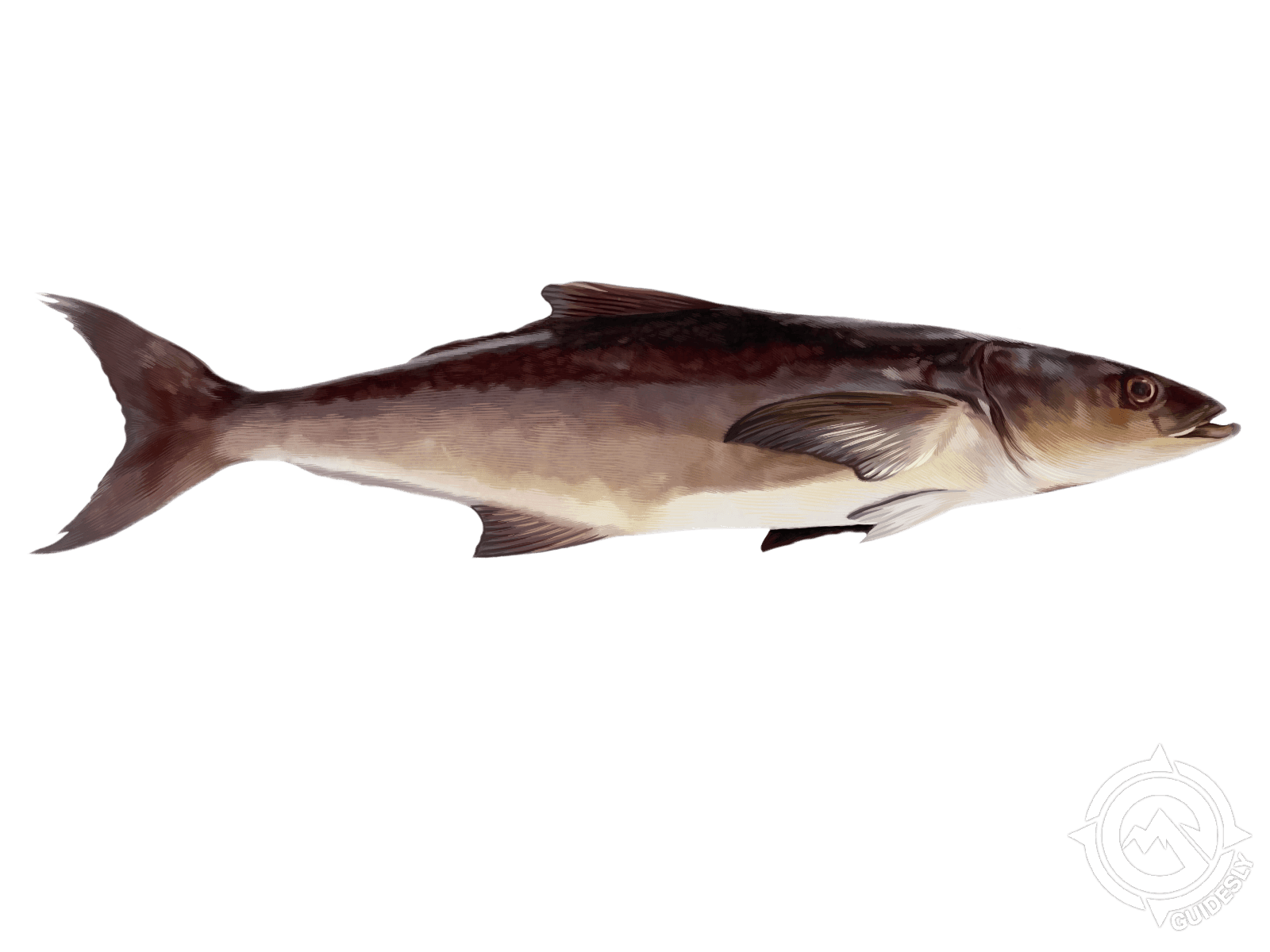
Cobia Overview
The Cobia (Rachycentron Canadum) is a fascinating solitary predator belonging to the order Perciformes and the family Rachycentridae—the only member of this family found in North American waters. These dark brown fish with lighter bellies are instantly recognizable by their single, elongated dorsal fin, a feature that has earned them the nickname "poor man's shark" among seasoned anglers. What makes the Cobia particularly special is their exceptional growth rate and early reproductive maturity. Juveniles display striking black and white striping accented with splashes of orange, bronze, and green, making them one of the ocean's most visually distinctive young fish. Found throughout coastal regions from Virginia to the Gulf of Mexico, Cobia have become a favorite target for both recreational and commercial fishing operations, particularly along Florida's coasts and throughout the southeastern United States.
Cobia Habitat and Distribution
Cobia thrive in a remarkable range of marine environments, from shallow estuaries and mangrove systems to offshore structures like reefs, wrecks, buoys, and oil rigs. While they overwhelmingly prefer the upper pelagic zones in waters 30 feet or shallower, they're adaptable enough to venture into depths exceeding 300 feet when hunting or exploring. These fish are most abundant from Virginia down through the Gulf of Mexico, with seasonal migration patterns that reflect their preference for warmer waters. During late fall and winter, Atlantic populations move south and offshore toward Florida, while Gulf specimens shift toward south Florida and the Florida Keys. Beyond North American waters, Cobia can be encountered in warm temperate and tropical regions including the Caribbean Sea, the eastern Atlantic Ocean, and around Australia, the Indian Ocean, and Japan's Pacific coast. Their ability to tolerate varying temperatures and salinities makes them incredibly versatile inhabitants of diverse marine ecosystems.
Cobia Size and Weight
An average adult Cobia reaches approximately 6 feet in length and weighs around 100 pounds, though they can range from as small as 24 inches (roughly 10 pounds) for juveniles to impressive specimens exceeding 79 inches. The largest rod-and-reel-caught Cobia on record was landed in Shark Bay, Australia, and weighed a remarkable 135 pounds. Most fish encountered by anglers fall between 30 and 70 pounds, offering a thrilling fight without requiring specialized heavy-duty equipment. These fish typically live up to 12 years in the wild, reaching sexual maturity at remarkably young ages—females around age 3 and males around age 2—which contributes to healthy population dynamics in their native ranges.
Cobia Diet and Behavior
Cobia are aggressive, opportunistic predators with a diet centered primarily on crustaceans, though they readily consume smaller fish, squid, and other available prey. Their feeding behavior is characterized by explosive strikes and powerful runs, making them thrilling targets for anglers seeking an adrenaline-pumping experience. Unlike many fish species that form schools or travel in groups, Cobia are predominantly solitary creatures. They remain spread out across their habitat except during spawning season, which explains why commercial fishing doesn't target them in the wild—it's simply not economically viable to hunt such dispersed populations. Instead, all commercially available Cobia is farm-raised, making wild-caught specimens especially prized by discerning diners and anglers. Larger pelagic fish such as sharks and groupers prey on juvenile Cobia, keeping young populations in check and maintaining ecosystem balance.
Cobia Spawning and Seasonal Activity
Cobia exhibit fascinating reproductive cycles that vary geographically. In the Southeast United States, spawning occurs from June through August, while Gulf of Mexico populations spawn later, from August through October. During these periods, they congregate in coastal bays and estuaries—some of the few times these solitary fish gather together. A single female Cobia can release an astonishing 2 million eggs per spawning event, and they spawn multiple times throughout the season, ensuring robust recruitment. Spring migration patterns bring them into shallow, sight-fishing-friendly depths of 30 to 70 feet, making this a prime season for anglers. After the spawning migration subsides, summer populations establish themselves around reefs and structural elements where current breaks and rip lines concentrate prey and shelter.
Cobia Techniques for Observation and Capture
Sight Fishing During Migration: The most exciting and visually rewarding method is sight fishing during spring migrations and spawning season. Position yourself in waters 30 to 70 feet deep and look for Cobia cruising just below or breaking the surface. Polarized sunglasses are essential for spotting these fish, and a keen eye is your best tool. Cast topwater lures, crankbaits, or live bait ahead of moving fish and prepare for explosive strikes. This method works exceptionally well along the Florida coast, where clear shallow waters and seasonal concentrations create ideal conditions. Around Miami and the Florida Keys, sight fishing for migrating Cobia in April and May is practically a rite of passage for local anglers.
Structure-Based Jigging: After spawning season, target Cobia holding around reefs, wrecks, and other permanent structures. Bucktail jigs in the 4 to 8-ounce range are the most popular choice, though don't hesitate to experiment with lighter options if fish aren't responding. Color seems less important than presentation—white, chartreuse, and natural colors all produce results. Work the jig along structure edges, in current breaks, and around rip lines where Cobia concentrate to ambush prey. This technique requires patience and precision but consistently produces quality fish.
Live Bait Presentation: When sight fishing or structure fishing proves challenging, live crustaceans or small fish presented near structural elements can be devastatingly effective. Mullet, mackerel, or live shrimp work exceptionally well, especially when fished just uptide of wrecks or reefs. Allow the current to carry your bait into the strike zone, and be ready for the aggressive take that Cobia are famous for delivering.
Cobia Culinary and Utilization Notes
Cobia has earned its reputation as excellent table fare, prized for its firm, lean meat and delicate, slightly sweet flavor. The flesh remains white after cooking and holds together beautifully whether grilled, baked, pan-seared, or prepared raw in ceviche. Its culinary quality is significant enough that farm-raised Cobia commands premium prices in seafood markets and restaurants, particularly in coastal regions where the species is well-known. The fish's popularity in the seafood industry continues to grow as both recreational and commercial interests recognize its value. For health-conscious diners, Cobia offers excellent protein with favorable omega-3 fatty acid content. Sustainability is rarely a concern since wild populations remain robust due to their solitary nature, which prevents overfishing pressure unlike schooling species.
Cobia Frequently Asked Questions
Q: What is the best bait or lure for catching Cobia?
A: Bucktail jigs in the 4 to 8-ounce range are the most productive lures, particularly around structures like reefs and wrecks. Topwater plugs and crankbaits excel during sight-fishing scenarios in shallow water, while live mullet, mackerel, or shrimp work exceptionally well when presented near current breaks. Color matters far less than many anglers believe—focus on presentation and location instead.
Q: Where can I find Cobia near major fishing destinations?
A: Cobia are most abundant from Virginia through the Gulf of Mexico, with the highest concentrations around Florida. During spring migration (April-May), look for them in shallow flats and channels in depths of 30 to 70 feet. Summer populations gather around offshore reefs and artificial structures. The Florida Keys and coastal Miami offer exceptional opportunities during peak season, as does the Gulf Coast from Louisiana to Texas.
Q: When is the best time to catch Cobia?
A: Spring migration (April through June) offers the most predictable and visually exciting fishing, with fish concentrated in shallow waters and actively feeding. Summer is excellent around reefs and wrecks, while fall migration can provide outstanding action. Avoid winter months when populations move offshore toward deeper, warmer waters.
Q: Is Cobia good to eat?
A: Absolutely. Cobia is considered excellent table fare with firm, lean white meat and a mild, slightly sweet flavor. It's versatile in the kitchen and holds up beautifully to various cooking methods. Commercial farm-raised Cobia commands premium prices in seafood markets due to its culinary reputation, making wild-caught specimens especially valued by anglers seeking both sport and dinner.
Q: How does Cobia compare to the Remora Fish?
A: While Cobia and Remora (sucker fish) appear similar at first glance, they're quite different. Cobia possesses a much more robust, stout body and lacks the distinctive dorsal sucker found on Remora. Additionally, Cobia are aggressive active predators, whereas Remora are parasitic fish that attach to larger marine animals.
Q: What tackle do I need for Cobia fishing?
A: Medium to medium-heavy spinning or conventional reels with 20 to 30-pound test line handle most Cobia situations effectively. Sight-fishing scenarios may benefit from lighter tackle in clear shallow water, while structure fishing around wrecks demands heavier equipment. A quality pair of polarized sunglasses is essential for locating these fish in shallow water, and a 7 to 8-foot spinning rod provides excellent sensitivity and casting distance.