%2Ffit-in%2F250x250%2Fguide_websites%2F17498%2Fimages%2F1721392453718image44.png&w=1920&q=100)
Large Cobia Catch in Norfolk VA Fishing Charter
Cobia Fishing in Norfolk VA - What to Expect
%2F%2Fusers%2Ff4b71dd0-e210-4378-a2c7-e2e5e25a9b9f%2Fimages%2Fnorfolk-cobia-fishing-charter-catch-2488.jpeg&w=1920&q=75)
Fishing Charter by Captain James Carroll in April

- Set Sail With The Top Norfolk Fishing Charters!


Summary
This fishing charter in Norfolk captured an impressive cobia specimen during a recent trip. Thursday in April proved exceptional for targeting this hard-fighting species in Norfolk waters, where local conditions consistently produce quality catches throughout the season.
Fishing Charter with Captain James Carroll - Rates & Booking
Captain James Carroll of Goin' Anyways SportFishing led this Norfolk charter on Thursday in April, landing this exceptional cobia. This fishing charter targets premium species in Norfolk's productive Atlantic waters, offering an authentic experience for anglers seeking hard-fighting gamefish. The charter includes all necessary tackle and expertise to connect with cobia and other inshore species. Book your next Norfolk fishing adventure directly with Goin' Anyways SportFishing to secure dates during peak season.
Highlights of This Fishing Charter
Cobia represent one of the most rewarding targets available to Norfolk anglers. These powerful fish demand skill and technique, making successful hookups particularly satisfying. The Atlantic waters surrounding Norfolk provide ideal habitat where cobia congregate during spring and early summer months, creating prime conditions for this exact style of fishing.
The experience captured here showcases the quality results possible when working with experienced local guides who understand tide patterns, structure, and seasonal movements. Whether you're pursuing your first cobia or adding to your personal best, Norfolk's offshore grounds deliver consistent action and memorable catches.
Local Species Insights: Cobia
Cobia are migratory predators that move through mid-Atlantic waters with seasonal reliability. Known for their aggressive feeding behavior and acrobatic fight, they rank among the most exciting gamefish available to charter anglers. Norfolk's position along established cobia migration routes makes it a premier destination for targeting this species.
These fish typically inhabit structures, wrecks, and open water where baitfish congregate. They respond to live bait presentations and artificial lures, giving anglers multiple techniques to employ. The Atlantic environment around Norfolk offers the combination of deeper water, current, and structure that cobia prefer. Spring and early summer represent peak seasons when larger specimens move through the area with regularity.
Cobia exhibit strong territorial behavior and competitive feeding instincts, which explains their reputation for hard strikes and sustained runs. When hooked, they utilize their muscular bodies and tail power to test tackle and angler skill. The strength required to land a quality specimen, as shown in this image, makes the entire experience memorable and rewarding for fishing enthusiasts of all experience levels.
Charter fishing for cobia in Norfolk means working with captains who know exactly where these fish concentrate and which techniques produce consistent results. The combination of professional expertise, proper equipment, and local knowledge transforms a fishing trip into a successful hunt for trophy-quality gamefish. Captain James Carroll's approach demonstrates the level of preparation and execution required to consistently put anglers on quality fish.
Fishing in Norfolk: Cobia
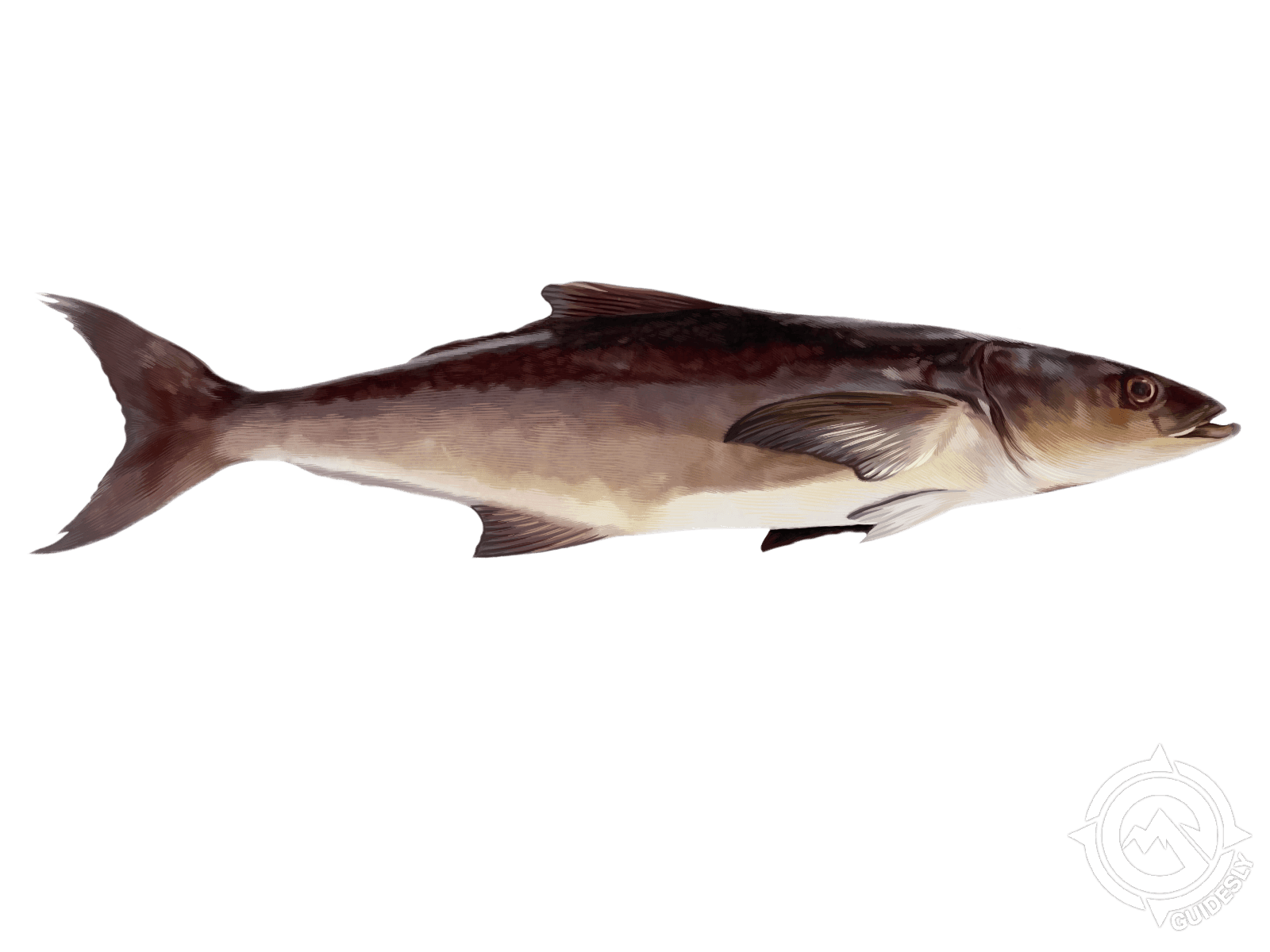
Cobia Overview
The Cobia (Rachycentron canadum) is a powerful, solitary predator belonging to the order Perciformes and the family Rachycentridae, making it the only member of its family found in North American waters. This striking dark brown fish with a lighter belly is instantly recognizable by its single dorsal fin, a feature that often leads anglers and observers to mistake it for a shark at first glance. What truly sets the Cobia apart are its juvenile markings—bold black and white stripes accented with splashes of orange, bronze, and green that fade as the fish matures. Whether you're fishing off the coast of Florida or exploring deeper offshore structures, the Cobia represents one of the most prized and exciting gamefish encounters in warm and temperate waters across the Atlantic, Gulf of Mexico, Caribbean, and beyond.
Cobia Habitat and Distribution
Cobia thrive in a remarkable range of environmental conditions, adapting to warm temperate and tropical waters worldwide. They're found on reefs, wrecks, buoys, and other structural features where they hunt for food. While overwhelmingly pelagic—inhabiting the upper layers of the ocean—these fish occasionally venture into estuaries and mangrove systems in pursuit of prey. Typical depths range from 30 feet or less in shallow coastal areas to as deep as 300 feet near offshore oil rigs and deep-water structures. The species is most abundant along the Atlantic coast from Virginia southward through the Gulf of Mexico, with significant populations in the Caribbean Sea, the eastern Atlantic, and off the coasts of Australia, the Indian Ocean, and Japan's Pacific waters. Seasonal migration patterns are pronounced: during late fall and winter, Atlantic populations move south and offshore toward warmer waters, while summer residents of the northeastern Gulf of Mexico migrate to south Florida waters, including the famous Florida Keys.
Cobia Size and Weight
An average adult Cobia reaches approximately 6 feet in length and weighs around 100 pounds, though the species exhibits considerable size variation depending on age and location. Fish can range from as small as 24 inches (roughly 10 pounds for younger specimens) to impressive catches exceeding 79 inches in length and 80 pounds in weight. The largest Cobia ever recorded on a rod and reel was landed in Shark Bay, Australia, and weighed a remarkable 135 pounds. These fish typically live up to 12 years in the wild, providing ample opportunity for them to reach impressive sizes. Sexual maturity arrives relatively early in their lifespan—males mature at age 2 and females at age 3—which contributes to their ecological importance and popularity among commercial and recreational fisheries.
Cobia Diet and Behavior
Cobia are nothing short of voracious predators with a broad dietary preference. They feed primarily on crustaceans—particularly shrimp and crabs—but readily consume smaller fish species and squid whenever the opportunity arises. As strong, aggressive hunters, they're built for pursuit and capture in open water and around structural cover. One of the Cobia's most defining behavioral traits is its solitary nature; unlike many fish species, these fish are not found in schools and prefer to remain spread out and independent except during spawning season. This lone-wolf behavior is why commercial fishing operations rarely target wild Cobia—nearly all Cobia available in the seafood industry today is farm-raised, which accounts for its relatively premium price point. Larger pelagic fish species, including sharks and groupers, prey on juvenile Cobia, making the early years a critical survival period. Despite their solitary tendencies, Cobia are curious and responsive to movement and vibrations in the water, making them excellent candidates for sight-fishing and active angling techniques.
Cobia Spawning and Seasonal Activity
Cobia exhibit distinct spawning seasons that vary by geographic location, driven largely by water temperature and seasonal migration patterns. In the Southeast United States, spawning occurs from June through August, while populations in the Gulf of Mexico spawn later, from August through October. Females are particularly prolific during this period, releasing anywhere from hundreds of thousands to an astounding 2 million eggs with each spawning event—often spawning multiple times throughout the season in coastal bays and estuaries. This reproductive strategy ensures genetic diversity and population resilience. Spring migration patterns bring Cobia into shallower, more accessible waters as they move toward traditional spawning grounds, making this period a prime opportunity for anglers. After spawning concludes, fish settle into summer habitats around reefs, wrecks, and other underwater structures where they remain until fall migration patterns push them toward deeper, warmer offshore waters.
Cobia Techniques for Observation and Capture
Sight Fishing During Migration: During spring spawning migration and the spawning season itself, target Cobia in water depths of 30 to 70 feet by sight fishing—looking for the fish just below or breaking the surface of the water. This visual approach is highly effective because Cobia often cruise near the surface in shallow, clear water. Polarized sunglasses are essential for spotting these fish, and patience combined with accurate casting will reward you with unforgettable strike experiences. Around Miami and throughout south Florida, sight-fishing guides specialize in this technique during peak migration months.
Structure-Based Fishing with Jigs: After the spring migration concludes, focus your efforts on reefs, wrecks, and other underwater structures where Cobia establish summer residency. Bucktail jigs in the 4 to 8 ounce range are the most popular choice, though don't hesitate to experiment with lighter or heavier offerings depending on current and depth. Look for rip lines and current breaks created by the structure itself—these are natural feeding zones where Cobia congregate to intercept prey swept along by tidal movement. Color selection is remarkably flexible; Cobia will readily strike jigs in nearly any color combination, so focus more on presentation and location than on matching the hatch.
Varied Lure Selection: Beyond bucktail jigs, Cobia respond aggressively to crankbaits, topwater plugs, and imitation eel baits. Topwater lures create surface commotion that triggers predatory instincts, while crankbaits allow you to probe specific depths around structure. Eel imitations are particularly effective given the species' natural diet preferences. Experiment with different retrieval speeds and patterns until you identify what triggers strikes on any given day.
Cobia Culinary and Utilization Notes
The Cobia is highly prized in the culinary world and represents excellent table fare. Its firm, flaky flesh and superior flavor make it a premium choice among seafood enthusiasts and professional chefs alike. The fish's texture holds up beautifully to grilling, baking, broiling, and pan-searing, making it versatile for virtually any cooking method. Because wild Cobia are solitary and not commercially fished in significant numbers, the fish available at markets and restaurants is typically farm-raised, which explains its premium price point. Nutritionally, Cobia provides excellent protein, omega-3 fatty acids, and essential minerals. From a sustainability perspective, farm-raised operations help reduce pressure on wild populations while meeting growing demand in the seafood industry.
Cobia Frequently Asked Questions
Q: What is the best bait or lure for targeting Cobia?
A: Bucktail jigs weighing 4 to 8 ounces are the most effective and popular choice, particularly around reefs and wrecks. However, crankbaits, topwater plugs, and eel imitations also produce excellent results. Color matters less than presentation and location—focus on fishing near structure and current breaks where Cobia naturally congregate to feed.
Q: Where can I find Cobia near major fishing destinations like south Florida?
A: Cobia are most abundant from Virginia to the Gulf of Mexico, with particularly strong populations along the Florida coast and Florida Keys. During spring migration (May through early June), sight-fish in 30 to 70 feet of water. In summer, target reefs, wrecks, and offshore structures. Winter months push fish deeper and farther offshore toward warmer waters.
Q: Is Cobia good to eat?
A: Absolutely. Cobia is prized as excellent table fare with firm, flaky flesh and superior flavor. It's versatile and responds well to most cooking methods including grilling, baking, and pan-searing. Farm-raised Cobia is available commercially and commands a premium price due to its quality and the solitary nature of wild populations.
Q: When is the best time to catch Cobia?
A: Spring migration (May through early June) offers excellent sight-fishing opportunities in shallow water. Spawning season (June through October, depending on region) concentrates fish in coastal bays and estuaries. Summer months bring fish to reef and wreck structures. Each season offers distinct advantages, so plan your trip based on your preferred fishing technique.
Q: How can I distinguish a Cobia from a Remora or Shark?
A: Cobia has a single dorsal fin and a much more robust, stout body than the similar-looking Remora (suckerfish). Unlike Remora, Cobia lacks the distinctive dorsal sucker. While their silhouette resembles a shark's, their streamlined body shape and fin configuration are distinctly their own. Close inspection will quickly reveal the differences to any observer.
Q: What is the typical lifespan and maturity timeline for Cobia?
A: Cobia live up to 12 years in the wild, reaching sexual maturity relatively early—males at age 2 and females at age 3. This early maturation combined with their exceptional fecundity (females release up to 2 million eggs per spawning event) ensures robust population sustainability across their geographic range.